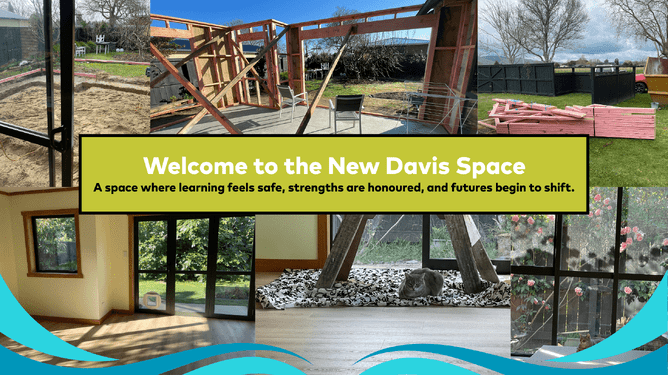
Some spaces are created quickly. Others are quietly imagined, planned for, and lived into over many years.
The Davis Room is one of those spaces.
Back in 2008, I took three weeks to step back and imagine the next chapter of my life. I began shaping a vision, not just of what I wanted to do, but how I wanted to live and work. It has taken over 23 years of planning, saving, learning, and patience, but that vision is finally taking physical form.
At the heart of it was always the same intention: to create a place where neurodiverse children could learn in a way that truly supports who they are, and where families could be part of that journey.
Learning That Recognises Generational Strength
Dyslexia is often experienced as something that needs to be “fixed,” especially when a child or adult has struggled to keep up, fit in, or meet expected milestones within current systems. When dyslexia is seen only through this lens, it can feel overwhelming and isolating, for the individual and for their family.
Yet, time and again, dyslexia appears as a generational pattern. Parents and grandparents often share stories like:
“Dad’s a builder.”
“Mum’s an architect.”
“Grandad built our garage from a sketch on a piece of paper.”
“We come from a long line of artists, designers, carvers, and makers; we’ve always had a good eye and a feel for building.”
These are not coincidences. They are expressions of strength-based, real-life experiences that often sit alongside dyslexia.
This is why family involvement matters so deeply.
When learning is connected back through the family line, conversations begin to shift. Strengths are named. Abilities are recognised. Dyslexia is no longer experienced as a disability, but as part of a broader pattern of perception, creativity, and problem-solving.
A Space Designed for Whānau
The Davis Room has been intentionally designed to include families. Parents, grandparents, and caregivers are encouraged to stay. There are comfortable places to sit, observe, and be part of the learning process.
Neurodiversity is generational, and when families remain in the room, something powerful happens. Stories are shared. Understanding grows. Parents begin to see their child, and often themselves, through a different lens.
I often hear comments such as:
“Now I see how dyslexia impacted me, so I can talk about it differently with my son. I know how to help him now.”
For many Māori and Pacific families I have worked with, dyslexia is described simply as how we are. Not a disability, but a strength and an ability, something to be understood, supported, and valued.
Why Environment Matters
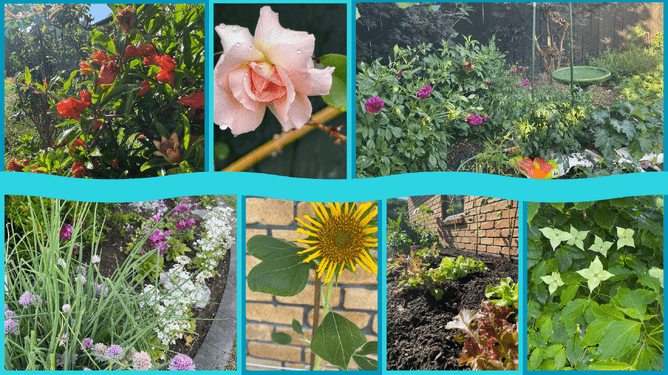
While waiting for the right time to build the room itself, I began planting the garden that sits outside it. Children need peaceful pauses between learning sessions—a space to rest, regulate, and process new understanding. A garden offers that quiet support.
Inside the room, learning reflects how dyslexic minds work. If a person’s natural perceptual ability is not auditory, then learning through sounds alone can be confusing rather than helpful. Picture-thinking is silent and incredibly fast—processing ideas far more quickly than word-based internal dialogue.
The Davis Room honours this way of thinking.
It is a space where learning slows down in the right ways, where perception is respected, and where understanding replaces stress.
A Vision Still Unfolding
Even the broader vision has evolved over time. In those early planning days, I imagined a life by the sea and shaped my thinking around coastal waters. While I now live inland, working in Ōpōtiki has brought the coast into my life in ways I never fully anticipated—and new opportunities continue to unfold. Some of those stories are still to come.
The Davis Room reflects all of this: long-term vision, patience, equity, and belief in the value of neurodiversity. It’s a place where children are supported, families are included by design, and transformational change can happen—naturally, gently, and together.
This isn’t just about building a room.
It’s about creating a space where learning feels safe, strengths are honoured, and futures begin to shift.
Acknowledgement
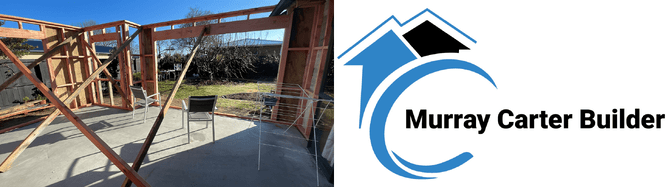
With gratitude, we acknowledge Murray Carter Builders for the creation of the Davis Room.
Murray, alongside his two sons, worked tirelessly to bring this space to life, building it carefully to specification while also contributing thoughtful ideas to ensure it truly functions as a Davis Space. Throughout the process, Murray took time to listen and consult closely on what was needed,not only for the build itself, but for the people who would be using the space.
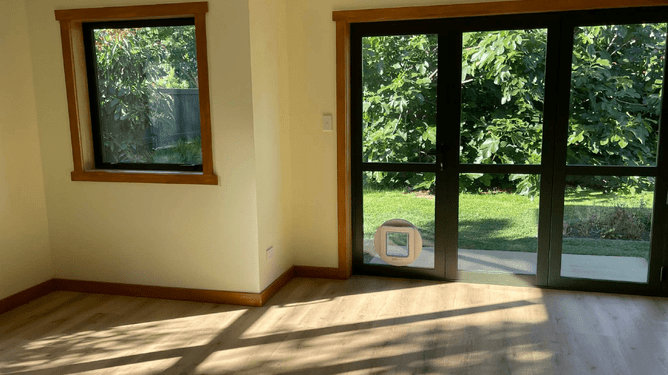
Special consideration was given to the needs of clients who may experience physical or sensory challenges on arrival. This included lowering the bi-fold doors to reduce trip hazards and carefully positioning the air conditioning so it does not blow directly onto clients who may experience sensory overwhelm.
This level of care, attention, and willingness to go the extra mile reflects a deep understanding of the purpose of the Davis Room and the people it serves.
We also gratefully acknowledge Murray’s generosity in supporting the Kakamega School through a contribution to the new school being set up by Geoffrey Ashiono. We have been collaborating with Geoffrey for 5 years and also work in collaboration with The Whole Dyslexic Society (The WDS) charity in Canada. You can see more information on this project on other blogs on my website. Geoffrey is a Davis Facilitator in training and recently was a finalist in an international award The Humanity Flourishing Award for how he supports the neurodiverse children in Kakamega Country in Western Kenya.
Murray Carter Builders’ logo is displayed here in recognition of their craftsmanship, care, and commitment to creating a space where learning can feel safe and supported.